Projects
A selection of projects I have worked on
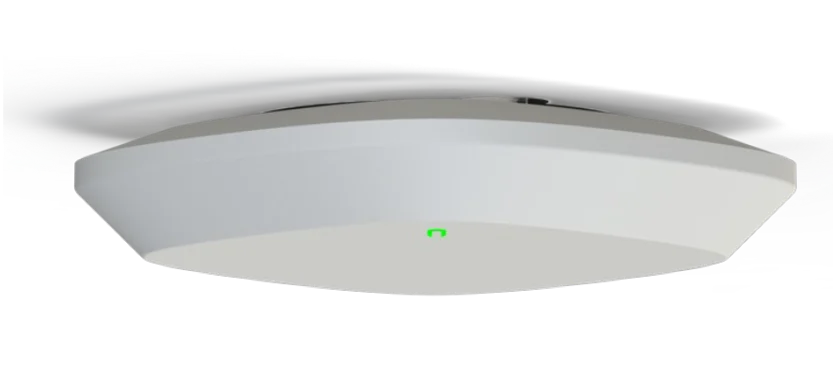
Rigado Cascade 5000
The Rigado Cascade 5000 (C5k) IoT Access Point was conceived as a successor to the Cascade 500 IoT Gateway. Released in 2025, the C5k started as a concept I created several years earlier for a next generation gateway built around an NXP I.MX8 Mini processor and utilizing standard m.2 and mPCIe slots for more flexibility for radio expansion options. Upon my full-time return to Rigado after my hiatus at u-blox I helped finalize the mechanical layout, evaluated WiFi HaLow chipsets, and assisted with Linux driver integration.
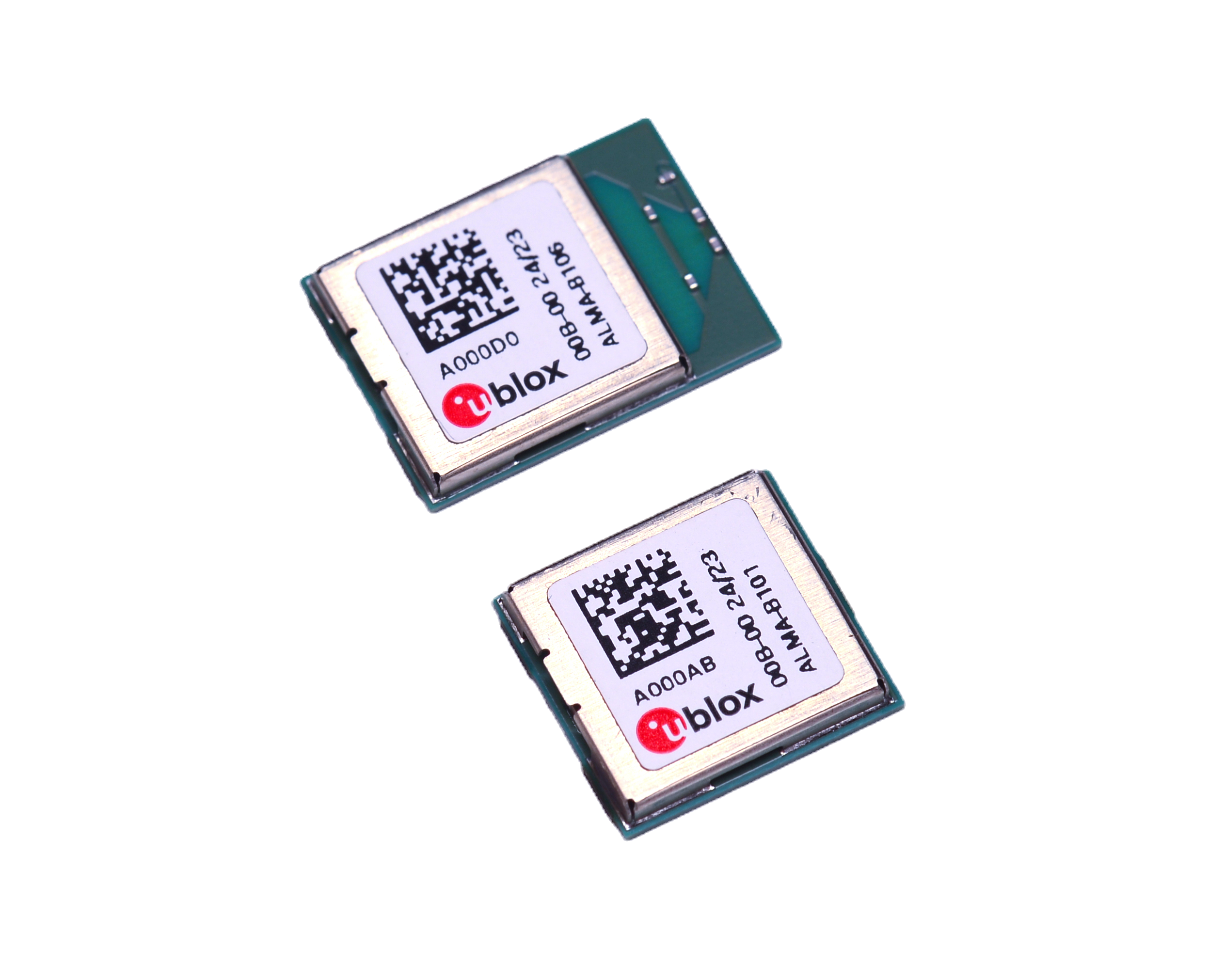
U-blox ALMA footprint and ALMA-B1
From 2023 to 2024 I worked on low-power module research and development at u-blox. During that time I was tasked with designing a new module for the Nordic nRF54H20 Bluetooth chipset. Given the new, advanced interfaces including high-speed USB 2.0 and HyperFlash/HyperRAM, and the increase to 64 GPIO it was clear that a new module footprint was required. I designed the new ALMA series footprint to meet the advanced requirements of the nRF54H20 SoC while still fitting in the same outer dimensions as the NORA series of modules and remaining simple to route on host boards without needing expensive high density PCB techniques.
Neoden YY1 PnP Transmogrifier
While working at u-blox my team invested in a Neoden YY1 pick and place machine to speed up build times of prototype boards. With a high mix of different boards and BOMs to be built I knew we needed an easy way to convert our Altium pick and place files to the required format for the machine. Using my C# skills I created a graphical application to easily convert between the CSV file formats, optimize part placement, and easily make part substitutions. I have been able to share this application publicly and it can be found on GitHub
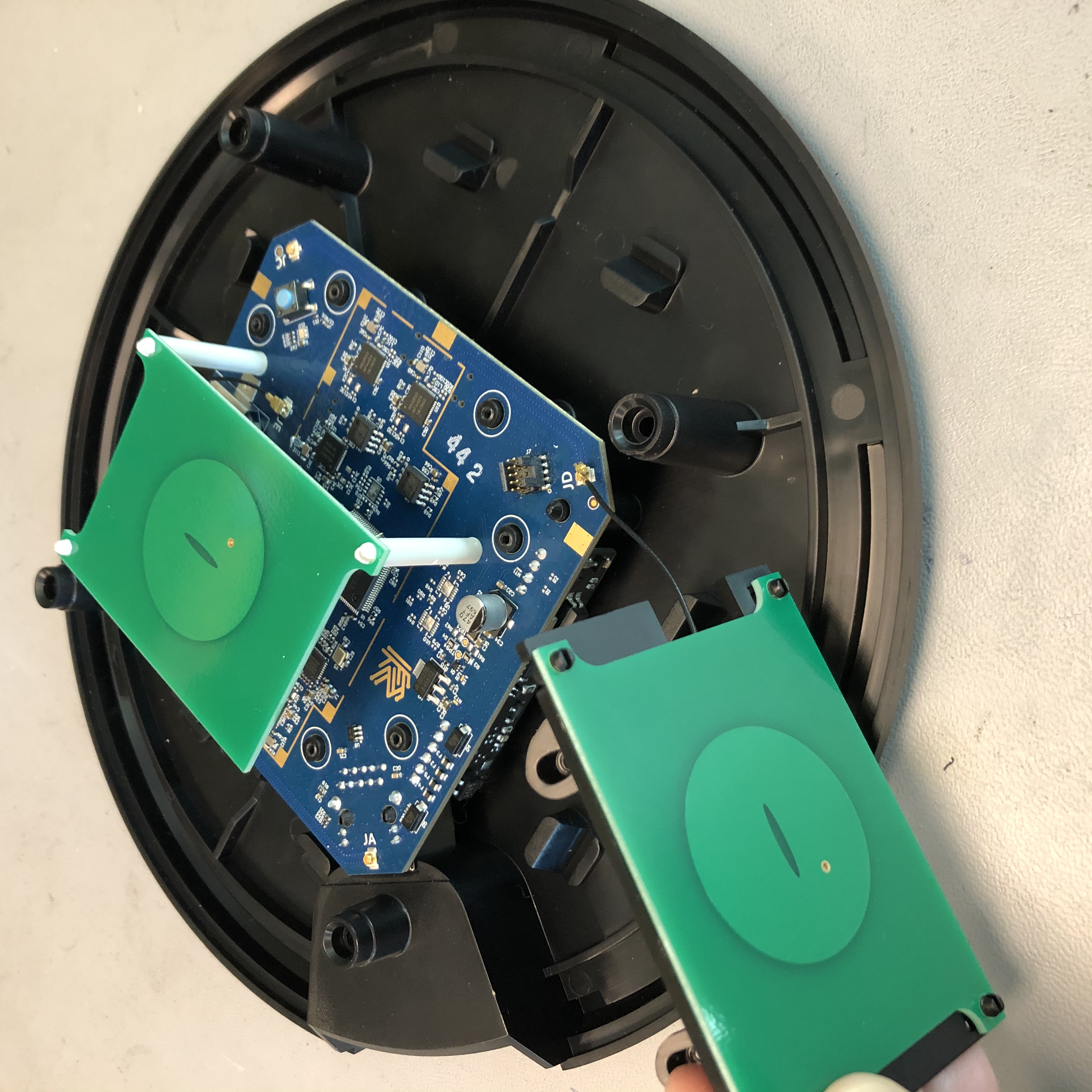
Rigado CA-55 Cascade Antenna
The Rigado Cascade Antenna model CA-55 was one of my favorite projects. I designed the main board, powered by an STM32H750 MCU and 5 Nordic nRF52832 Bluetooth radio socs and featuring a single ethernet port with PoE for power and backhaul. I also designed the packaging strategy for unit assembly with 5 directional antennas and the full factory test process from board level test to assembled unit tests. The Cascade Antenna was specially designed for a particular customer involved with RSSI based location tracking of Bluetooth devices with optimizations to increase coverage area and reduce installation time and cost.
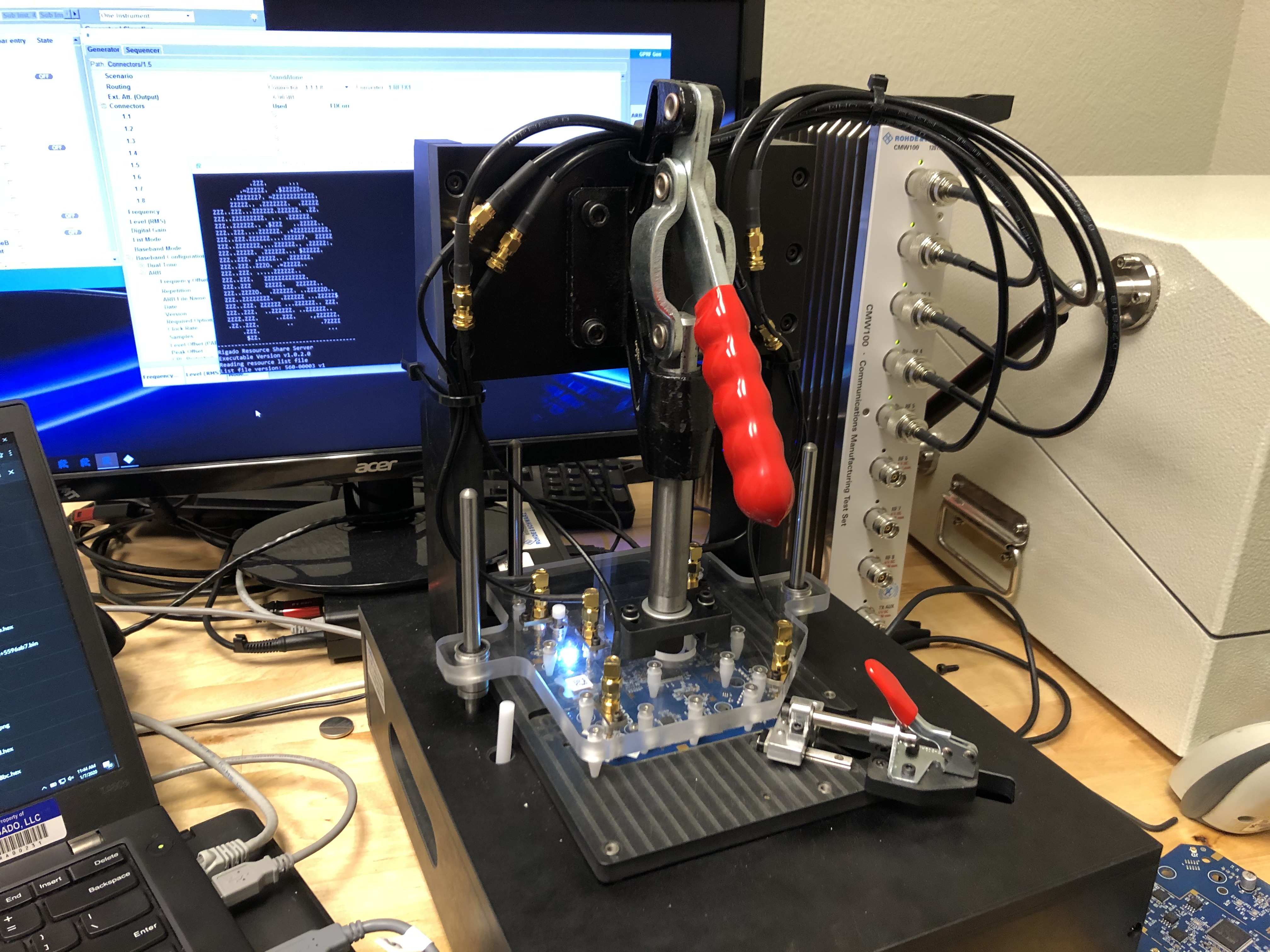
Functional and RF test design
Besides designing manufacturing test for the CA-55 Cascade Antenna I also designed and implemented factory test software, hardware, and test fixtures for the Cascade 500 gateway series, the original Vesta gateway series, and for the Rigado/u-blox BMD-340 eval board. Through this work I have become very familiar with automated testing design, dotnet/C#, and functional testing of Bluetooth, WiFi (2.4GHz and 5GHz), and Cellular protocols. Most of the automated RF tests I wrote use the Rohde & Schwarz CMW100 RF tester with a custom written time sharing application to support multiple RF test fixtures from a single CMW unit.
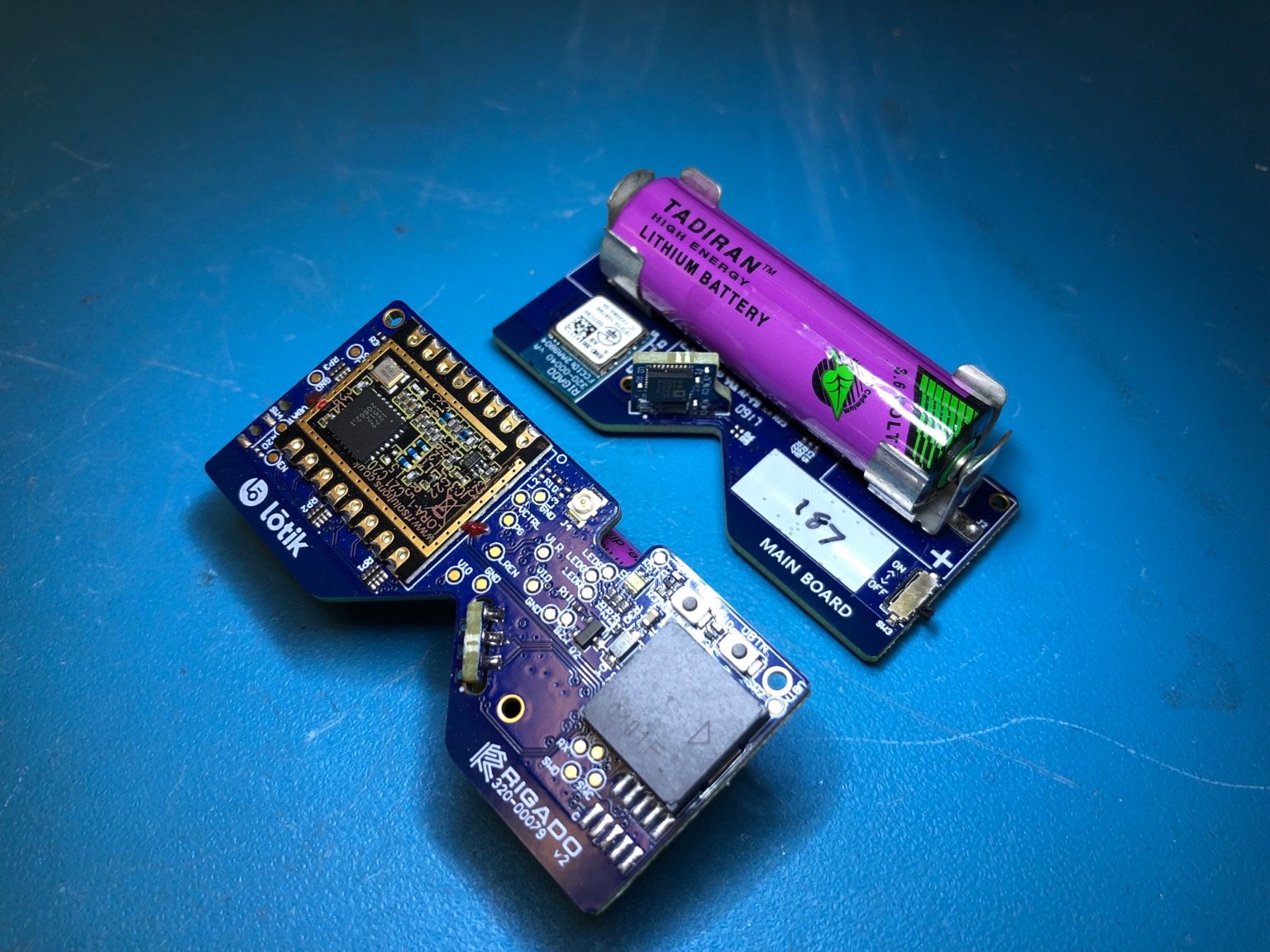
LoRa Water Meter Sensor
This prototype water meter sensor was created for a pilot project with a New York based start-up that contracted with Rigado. I was solely responsible for the hardware design on the project which required a sensor with a 10 year battery life without recharging and LoRa back-haul to allow better penetration through tall apartment towers. The principle of the sensor was to use an accelerometer to detect flowing water to the pipe it is attached to. A small neural net, developed by the start-up, would process the vibration data from the sensor to determine water flow rate. The Nordic nRF52832 packaged in our BMD-300 module was chosen as at the time of the project it was the industry leader low deep sleep power consumption.
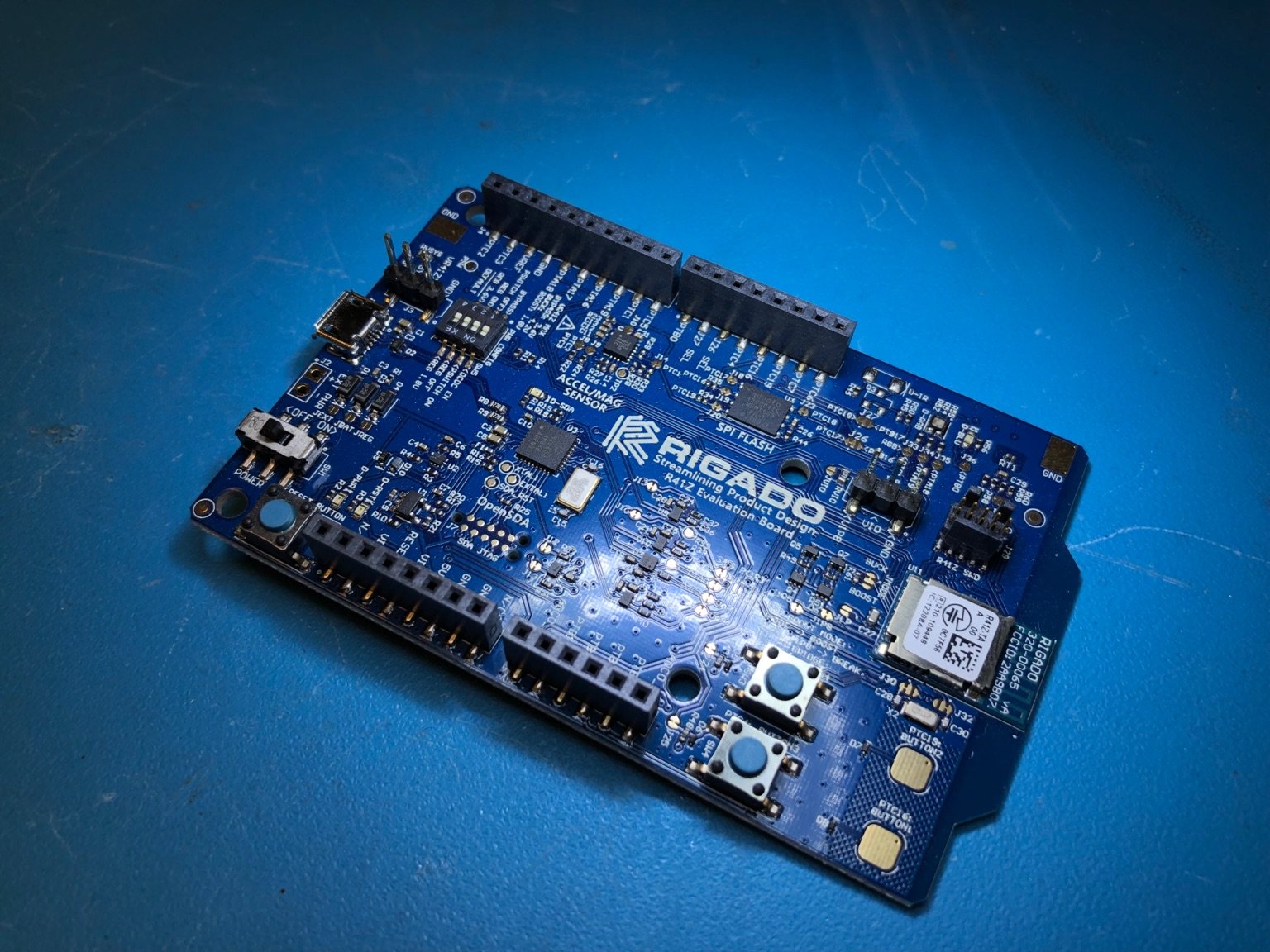
Rigado R41Z eval board
The first board I designed after joining Rigado in 2016 for the Rigado R41Z Bluetooth and Thread module. Although the underlying chip-set for the R41Z was challenging to work with, my previous experience with the Freescale/NXP Kinetis series of chips helped ease development of the eval board platform. Later after the launch of the R41Z I provided application technical support for the R41Z and other Rigado modules.
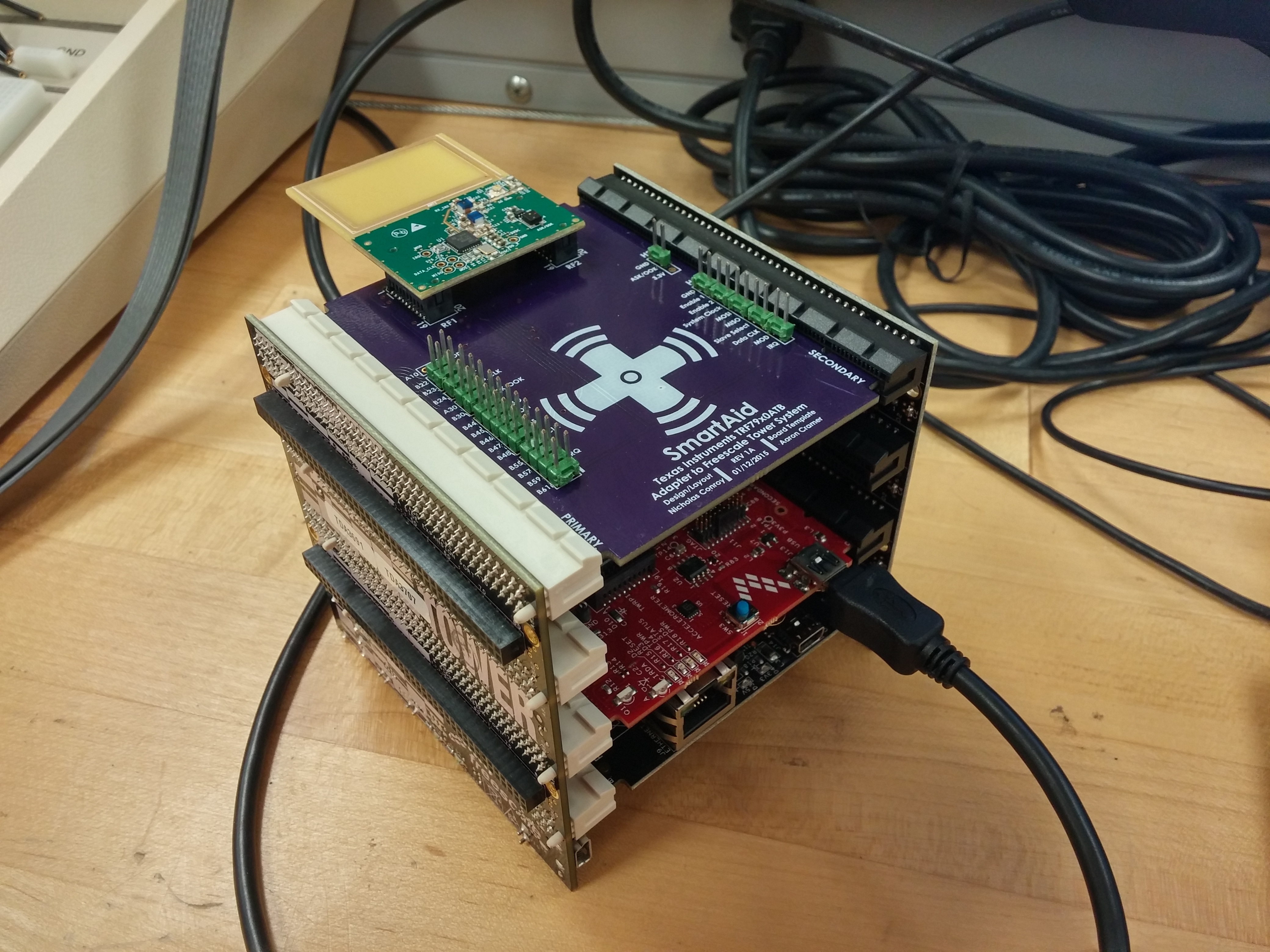
Senior Capstone Project: SmartAid Kit
My senior project at Western Washington University for the 2015 class in the Electronics Engineering Technology program. The concept of the SmartAid kit was to use RFID tags to track the contents of First Aid kits, down to the individual bandage, to enable a fast "digital clipboard" inventory for regulatory compliance. For this project I created a prototype based on a Freescale/NCP Kinetis K60 MCU and a Texas Instruments TRF7970A RFID chip-set.
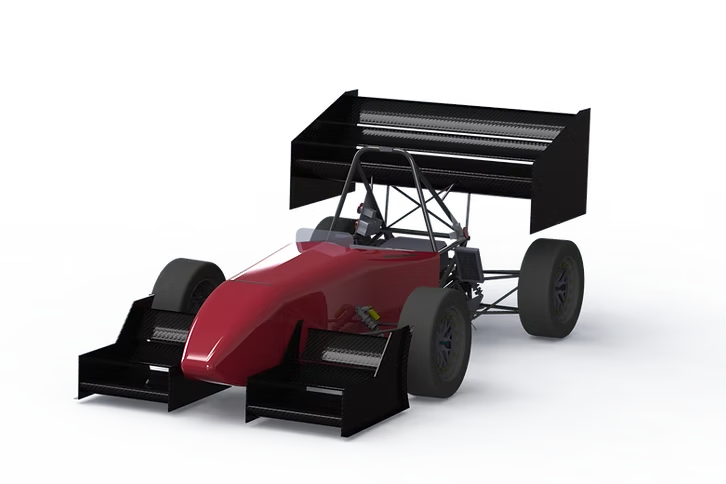
WWU Racing Electronics Lead
From 2010 to 2014 I was the electronics lead for the Western Washington University Formula SAE team, designing and building wiring harnesses for 2 internal combustion powered FSAE cars and leading the team's first attempts at building a fully electric powered vehicle for the newly introduced FSAE EV category. This was a true trial by fire for project management.
Leading a team of students on an intense engineering project for no college credit or compensation I learned how to present problems that would entice others to create solutions. With nothing holding members to the team besides their passion it was critical to keep high engagement when possible and pick up the work myself when not. This experience taught me the enduring lesson that project management is not just about assigning tasks and collecting status updates: on a volunteer team and in a startup it is also about inspiring engineers to use their best efforts to solve problems because it's the right thing to do and to make them feel seen and appreciated for those efforts. It's about sparking a deeper drive in others to solve problems because sometimes that satisfaction is the only compensation a project manager is able to give.
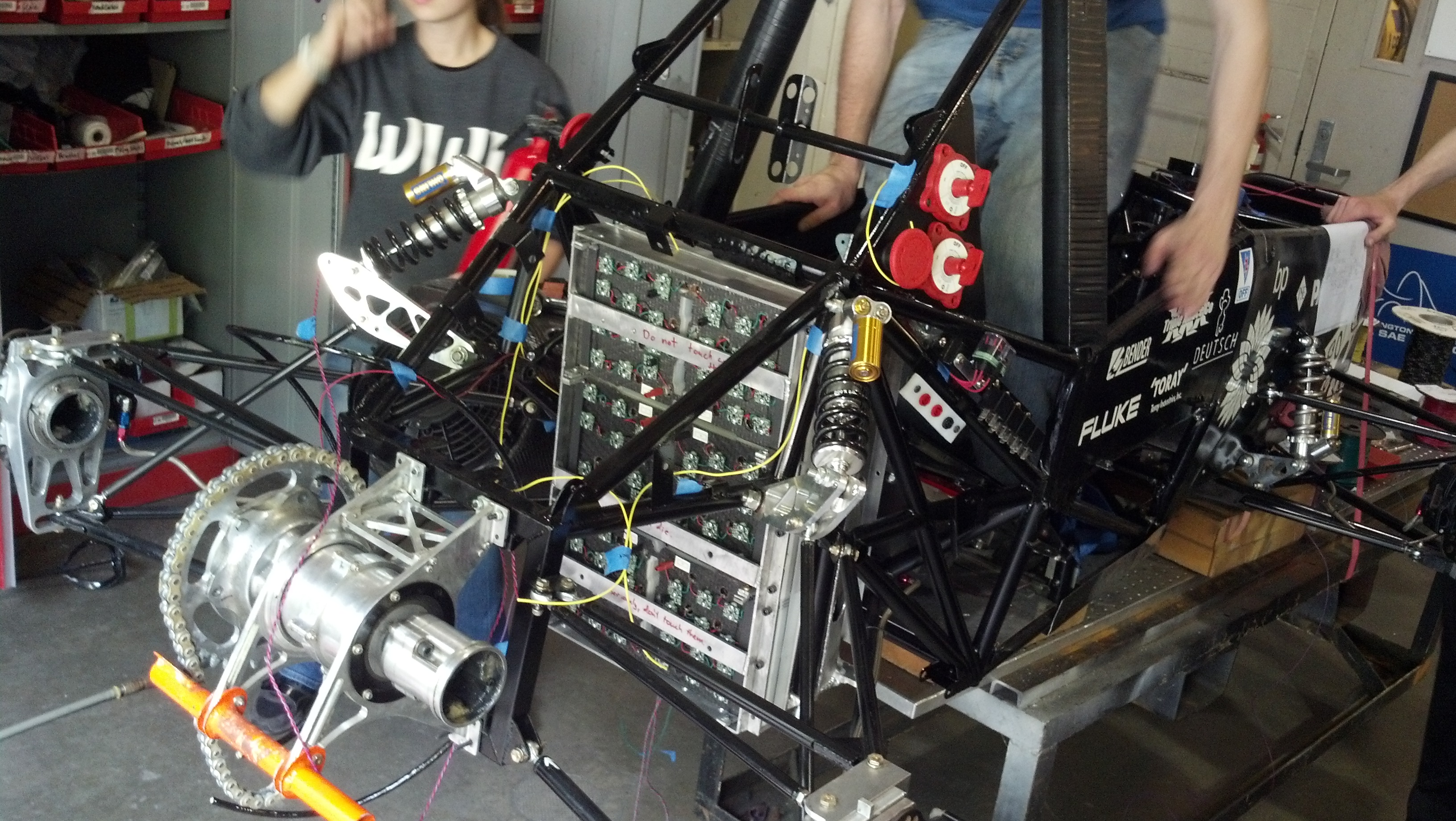
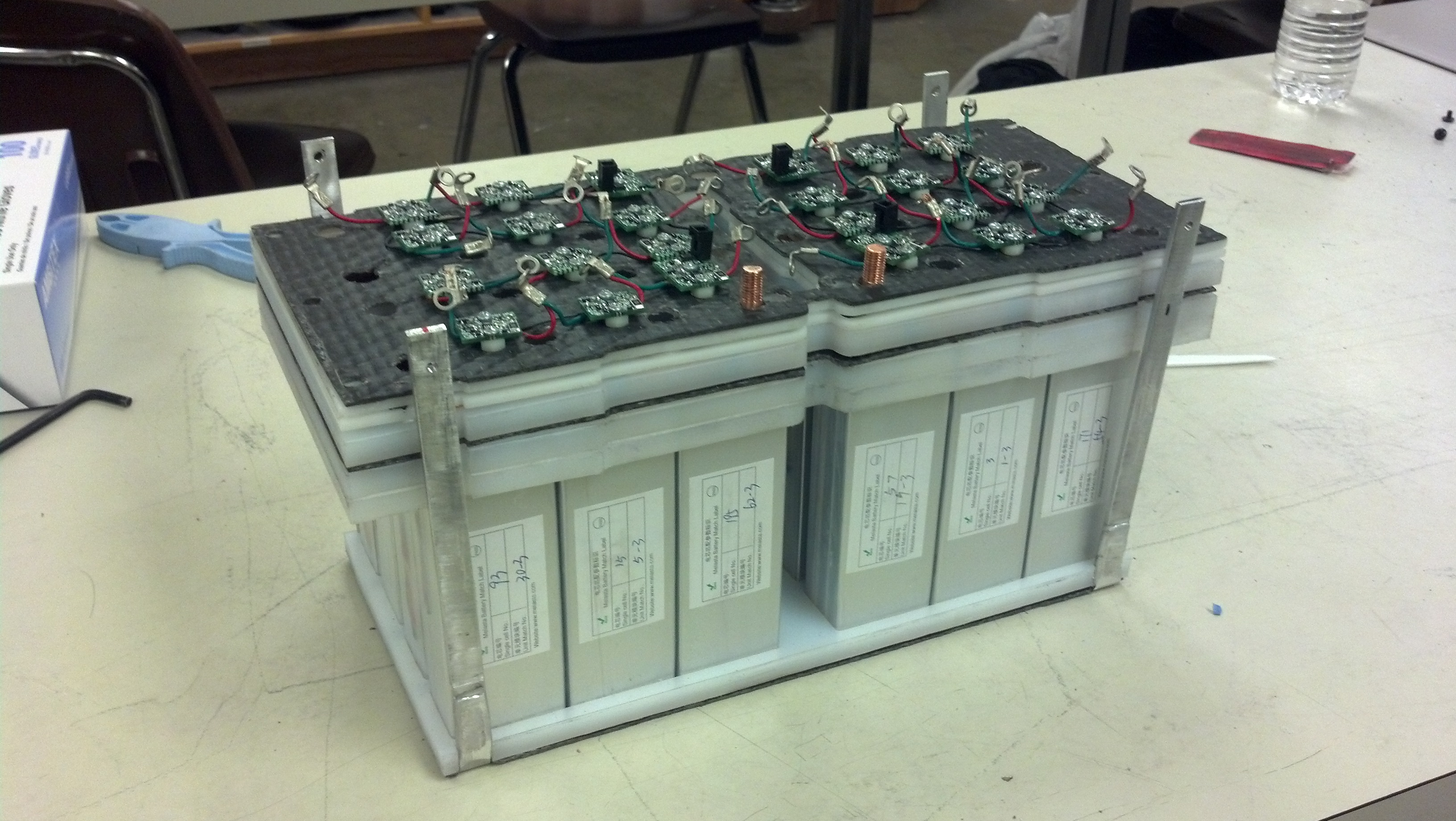
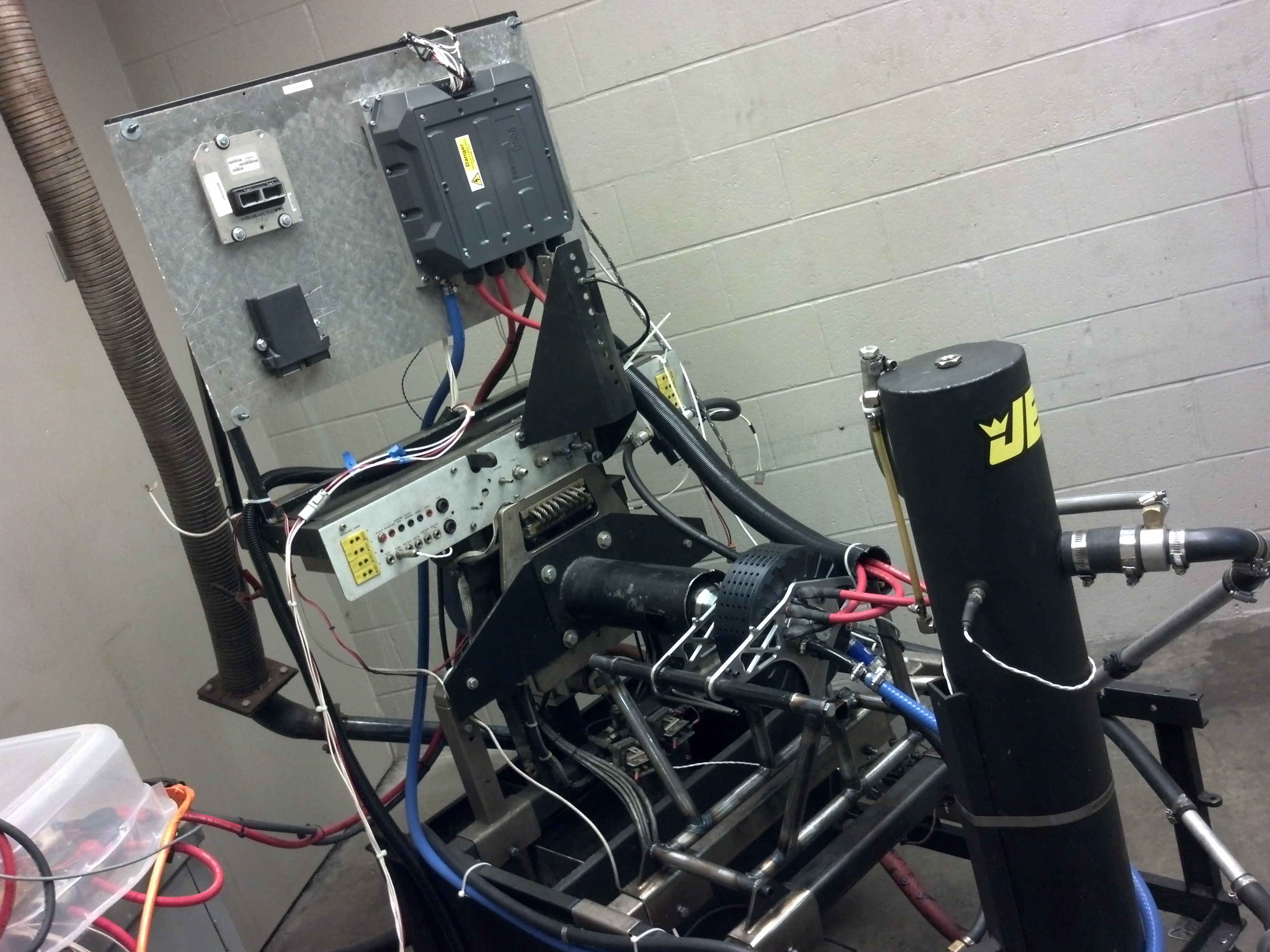
WWU Racing Viking 54e - Viking 57 EV powertrain
Starting in late 2011 as WWUFSAE Electrical Team Lead and with support from faculty I began lobbying for the team to build a full electric vehicle to compete in the soon to be introduced Formula SAE EV competition. While team leadership was supportive some members of the team were not on board and wanted to continue building internal combustion vehicles for competition. A compromise by leadership was to build the next vehicle, Viking 54, as a combustion vehicle first with an EV powertrain developed in parallel. The car would go to the combustion competition first and then be retrofitted with the EV powertrain in the weeks between the combustion competition and the EV competition.
Obviously this was a terrible plan doomed to failure, but I pushed ahead as best as I could. Complicating the project was a disagrement between the incoming chassis and suspension leads for Viking 54 with the previous year's full carbon fiber monocoque design for Viking 53 and a fully new suspension and steel tube frame chassis being designed for Viking 54. While the previous chassis lead had designed Viking 53 with ample space for a possible future EV powertrain, the new tube frame was designed for internal combustion engines first with every concession for the EV powertrain being hard won.
A direct result of this conflict was an especially dificult year retaining new team members as it was impossible to provide a clear vision and direction given the constant friction with the chassis and suspension team leads. Because of this, EV powetrain development was done almost entirely by me with contributions from a small but dedicated group of EV Powetrain members. Ultimately, with the majority of team effort going to the combustion version of Viking 54 there were simply too many unfinished pieces to Viking 54e and the dificult descision was made to not go to competition due to safety concerns: both with new 300V EV power train but also due to the high intensity, around the clock work put into the V54e leaving us at the extreme edges of sleep deprivation.
For the next year we tried again with Viking 57 but the damage to the team was done. While the EV powertrain made much more progress and the commitment to only build an EV car was made, the new member retention issues the previous year had damaged knowledge transfer and the team struggled to design and build a complete vehicle for Viking 57. Ultimately Viking 57 would not reach competition either. Fully burned out with the systemic issues I stepped back from the team in the 2014-2015 competition year and acted in an advisor role while focusing on my Senior Design Project.
For more details about the work I did for Viking 54e/57 you can read the V57 Electrical Safety Form I wrote and submitted to FSAE.
Genie Industries Internship
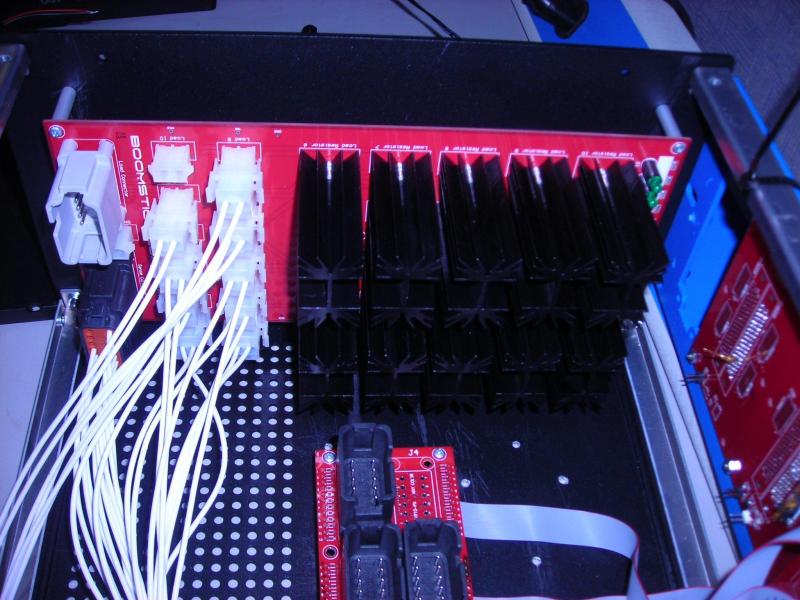
In the summer of 2013 I worked as a Hardware Design Intern at Genie Industries. This was a very formitive experience for me, learning how to use Altium Designer for PCBs and Solidworks for mechanical, and also being exposed to what I still consider the gold standard for tightly integrated engineering design and manufacturing. This is where I learned the importance of managers, engineers, and line operators all working close together with high collaboration and minimal silos. This is where I learned the importance of talking with and listening to the people who actually build your designs every day, who know it inside and out in physical space better than the engineer does. Putting genuine effort into Design For Manufacturability (DFM) is one of my core professional skills and mindsets that started here.